How to Plant a Pomegranate Tree in Your Backyard: Step-by-Step Guide
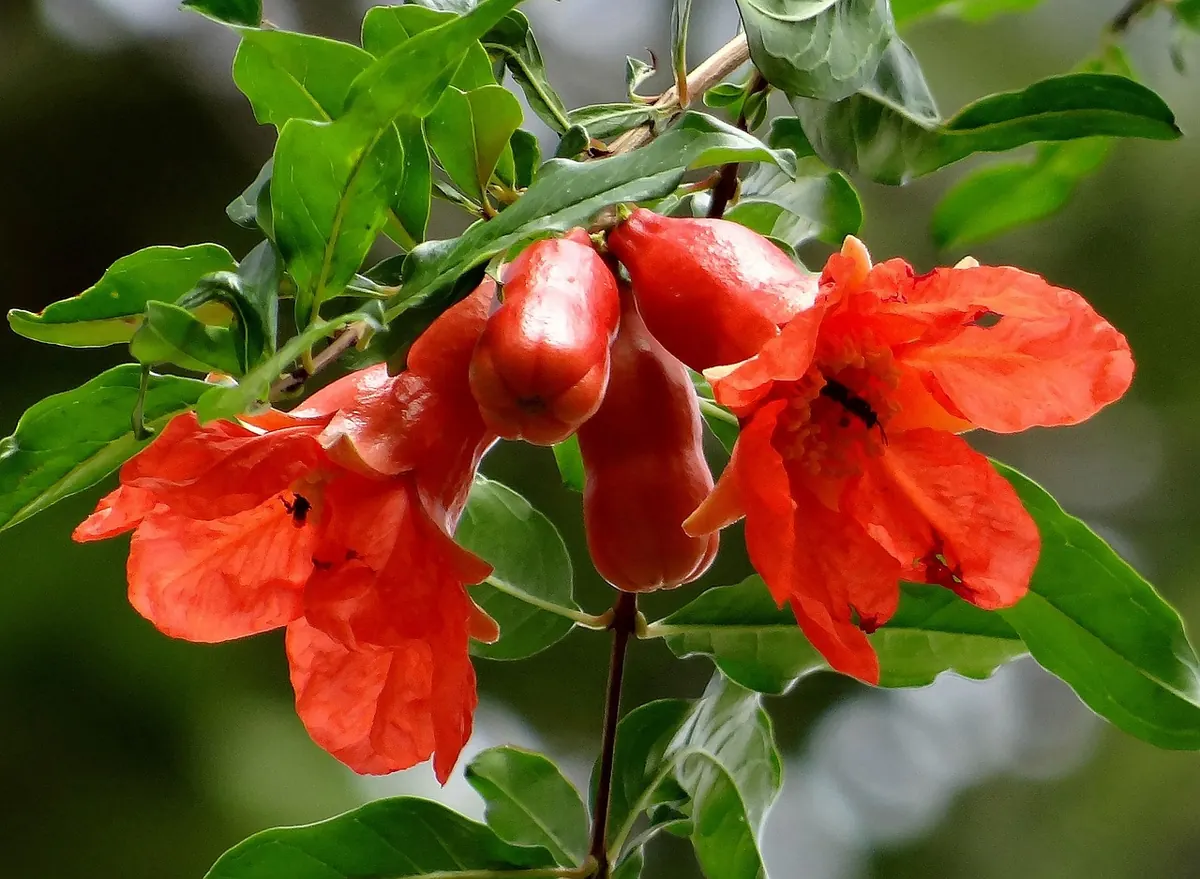
A pomegranate is one of the few fruit trees worth growing for its flowers alone. The trumpets of orange-red that open in early summer justify the space even before the fruit arrives. But the fruit does arrive, and the difference between a tree that sulks for three seasons and one that settles in and crops is usually decided on planting day. The hole, the depth, the drainage, the direction of the slope: all of it is much harder to fix later than to get right now. Here is the process, in the order it should happen.
Start With the Site, Not the Tree
It is tempting to buy the tree first and then look for a gap in the garden. Resist that. Pomegranates are sun-driven plants, and heat is what ripens the fruit and hardens the wood before winter. Give them a spot that receives at least six hours of direct sun, ideally eight. A south- or west-facing wall is close to ideal, because the masonry holds warmth into the evening and shelters the branches from cold wind.
What they will not tolerate is a frost pocket. Cold air behaves like water: it flows downhill and pools in the lowest ground. A hollow at the bottom of the garden, behind a solid fence, may look protected and be the coldest place on the property on a still winter night. If you garden where winters are marginal for pomegranates, put the tree high rather than low, and near a wall rather than out in the open.
Drainage matters more than richness
Pomegranates will grow in stony, indifferent soil. They will not forgive water sitting around their roots through the dormant season. Dig a test hole about thirty centimetres deep, fill it with water, and see how long it takes to disappear. If water is still standing after a day, plant somewhere else, or plan to plant on a raised mound as described below.
Give it elbow room
A pomegranate is naturally a large multi-stemmed shrub, and it suckers. Expect two to four metres of height and a similar spread once it is mature. Keep it two to three metres clear of walls, fences and paths, and well away from drainage lines and paving that roots could lift. Crowding it against a fence to save space is a common mistake, and it produces a lopsided plant that is awkward to prune.
Prepare the Ground Properly
The old advice to dig a deep pit and fill it with rich compost does more harm than good. Roots stay inside the soft pocket instead of pushing out into the surrounding soil, and the tree becomes dependent on watering. Better to dig a modest hole and loosen a wide area around it, so the roots have somewhere to travel.
Loosen the soil across a circle at least a metre in diameter. Then dig the planting hole two to three times the width of the rootball but no deeper than the rootball itself. Keep the topsoil in one pile and the subsoil in another. Mix the topsoil with a couple of buckets of well-rotted compost and, on heavy ground, a generous handful of coarse grit or sharp sand to open the texture. Do not add fertiliser to the planting hole; it burns the new roots that are trying to establish.
If your soil is clay and slow, plant on a mound. Build a broad, flat-topped rise twenty to thirty centimetres high and a metre wide, set the tree in that, and let the roots work down at their own pace. It looks slightly odd for a season and solves a decade of problems.
Choose a Young Tree Worth Planting
Bare-root trees, sold in winter while dormant, establish fastest and are easiest to inspect. Container-grown trees can be planted almost any time the ground is workable. Either way, look for a straight trunk with smooth, unblemished bark, and check that the roots are not circling tightly inside the pot, a sign the tree has been there too long. Scratch a small patch of bark with a fingernail: green underneath means live wood.
Pomegranates are usually grown on their own roots rather than grafted, but if there is a visible graft union, keep it well clear of the soil. Burying it invites rot and encourages the rootstock to take over.
Planting, Step by Step
- Water the tree the day before. A moist rootball holds together and suffers less shock.
- Set the tree in the hole and check the depth with a straight stick laid across the top. The point where the trunk widens into the roots should sit level with the surrounding soil, or two or three centimetres above it on heavy ground. Planting too deep is the single most common reason a young fruit tree fails.
- Backfill in layers, firming each one with your heel. No stamping. You want the soil closed around the roots, not compacted into concrete.
- Water slowly until the hole is full, let it drain, then top up the soil if it settles. A tree planted into dry soil and watered later is a tree in trouble.
- Mulch in a ring, keeping it clear of the trunk. A generous layer of bark chip or straw, pulled back ten centimetres from the bark, holds moisture and keeps weeds down.
- Stake if the site is windy. One stake, driven in on the windward side before you backfill, with a soft tie in a figure of eight.
Watering Through the First Year
Newly planted pomegranates need steady moisture while their roots spread, even though established trees shrug off drought. Water deeply and then leave the soil to dry slightly before watering again. Shallow daily sprinkling produces shallow roots and a fragile tree.
A young tree in its first summer will want roughly a bucket of water a week in dry weather, double that in a heatwave or on sandy ground. Pour it slowly, in two goes, so it sinks in rather than running off. Before you water, push a finger into the soil ten centimetres out from the trunk: if it is still damp, wait. In late autumn, ease off deliberately, because a tree that keeps growing into cold weather goes into winter soft and vulnerable.
Support and Early Training
With a single stake and a loose tie, a young trunk can flex without snapping. Remove the stake after one or two growing seasons so the trunk thickens in response to wind.
Pruning in the first year should be light: cut out only damaged or crossing stems, and shorten anything that is wildly out of balance. If you want the shrubby, multi-stemmed form that suits pomegranates well, select three to five strong stems in the first winter and remove the rest. After that, the main job is pulling or cutting suckers as they appear at the base.
Young pomegranates are more tender than established ones. In colder areas, wrap the trunk loosely with horticultural fleece or burlap for the first two winters and keep a thick mulch over the root zone. Do not fertilise late in the season; save feeding for spring.
A First-Year Checklist
- Water at planting and weekly through the first dry season, deeply each time.
- Check ties and stakes monthly so nothing rubs or strangles the trunk.
- Top up the mulch in autumn, keeping it off the bark.
- Leave fertiliser until you see new growth in spring, then use a light, balanced feed.
- Protect the trunk in the first two winters if your climate is borderline.
- Expect little fruit in year one and be patient in year two — the harvest comes when the wood matures.
Get the site and the depth right, and the rest is mostly a matter of watering and standing back. Within a few seasons you will have a plant that flowers extravagantly, asks very little, and hands you fruit that no shop-bought pomegranate can match.
Photo: Pexels / Pixabay