Fresh Pomegranate Molasses Recipe (No Added Sugar)
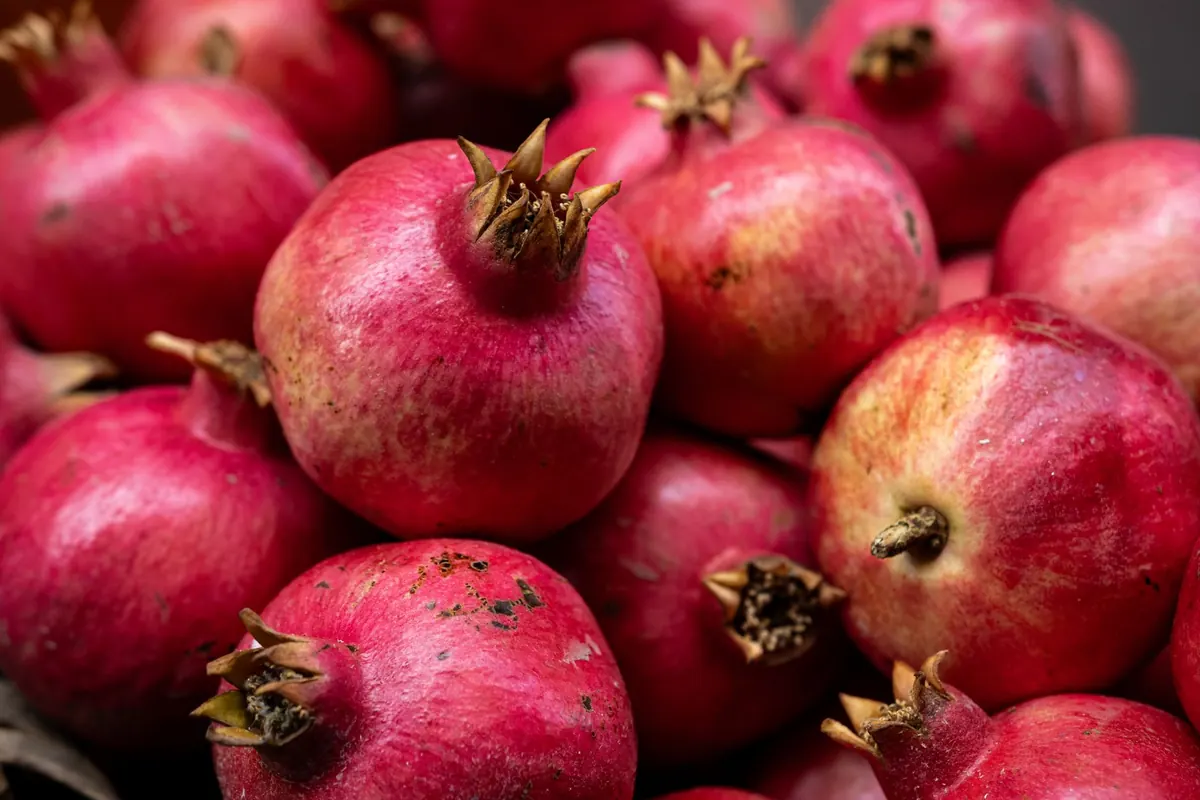
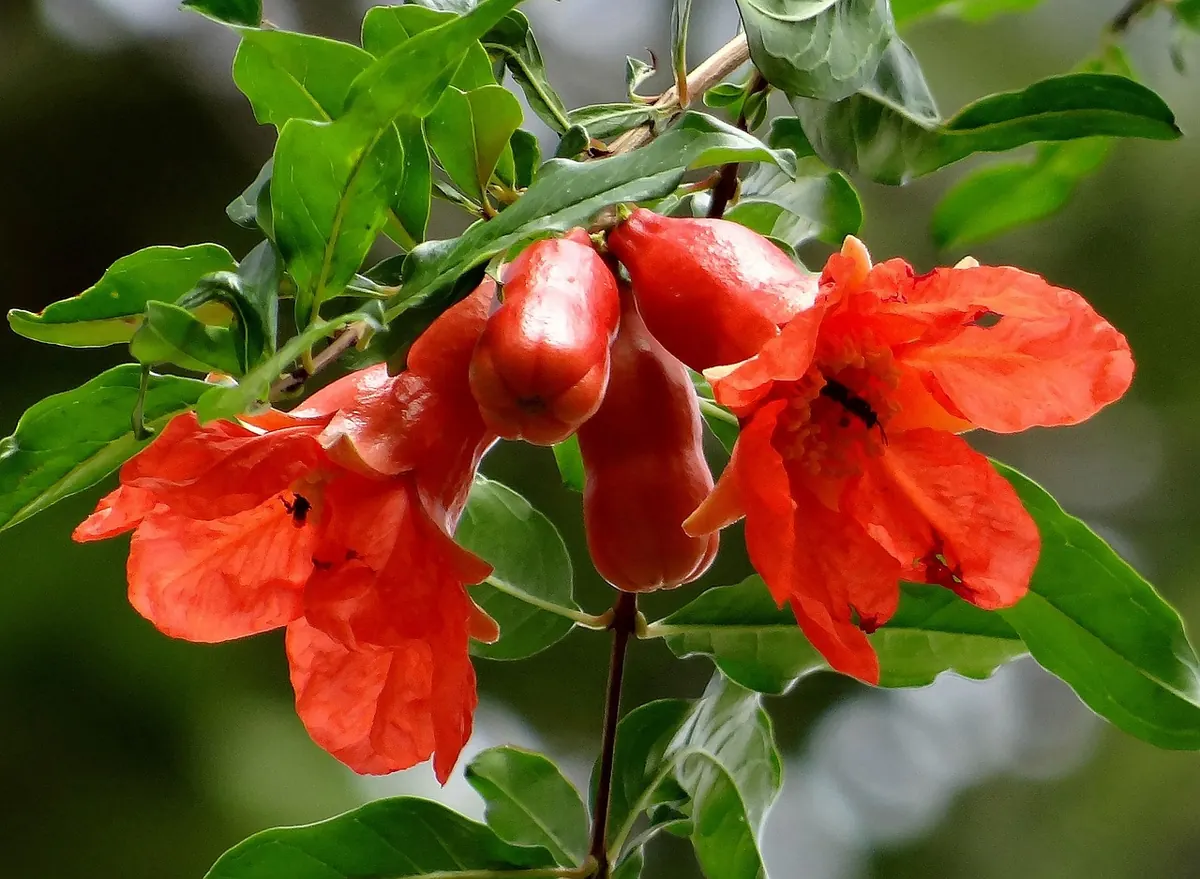
Late autumn, when the last pomegranates on the tree have split at the crown and the kitchen counter is crowded with them, there is one good use for the juice you cannot drink fast enough: reduce it. Pomegranate molasses is the dark, sour syrup that gives Middle Eastern cooking much of its backbone, and it is nothing more than pomegranate juice cooked down until it turns glossy and thick. No sugar, no pectin, no special equipment. A wide heavy pan, an hour at the stove and a little attention to the last ten minutes.
Why Make It Without Sugar
Most of what you buy in a bottle is pomegranate juice stretched with sugar or glucose syrup, sometimes thickened with starch. It is sweet first and sour second, which is fine for drizzling but less useful in the kitchen. A batch made from juice alone is sharper, more intensely fruity and considerably more versatile. You can use it the way you would use lemon or vinegar: to cut through fat, brighten a stew, or lift a plate that tastes flat.
It also solves a practical problem. Pomegranate season is short and generous. If you grow your own, or buy a crate when the price drops, the fruit rarely waits for you. Reducing the juice concentrates it into something a small bottle can hold for months, and nothing is wasted. Roughly four cups of juice will give you a little over a cup of molasses, so a glut becomes a pantry staple.
Tarter fruit makes the most interesting batch. Sweeter varieties give a rounder, gentler syrup that still needs no sugar at all; taste the juice before you start and you will know what you are working with.
Choosing the Juice and Getting It Out
If you are buying juice, read the label: 100 percent pomegranate, no added sugar, no blends with apple or grape. Juice from concentrate works, though it tends to taste flatter and takes slightly longer to reduce. Fresh juice is better, and the difference is noticeable in the finished syrup.
Extracting juice without bitterness
The white pith and the papery membranes inside the fruit are bitter, and bitterness concentrates as you reduce. Keep them out of the pot.
- Score and quarter the fruit, then work the arils loose into a bowl of cold water. The seeds sink, the pith and membranes float, and you can skim the debris away with your hand.
- Drain the arils and pulse them briefly in a blender — three or four short bursts, not a long purée. Crushing the seeds for too long releases tannins from the seed coats and gives the juice a harsh edge.
- Tip everything into a fine sieve lined with a double layer of cheesecloth or a clean muslin. Let it drip without pressing hard on the solids.
- Leave the juice to settle for ten minutes and skim the foam from the surface.
A food mill or a slow juicer will also do the job, and a steam juicer is the tidiest option if you have one. Whatever the method, strain once more before the pot.
The Stovetop Method
What you need: four cups (about one litre) of pomegranate juice, a wide heavy-bottomed saucepan, a fine sieve, a funnel and a bottle. That is the whole list.
- Pick the right pan. Stainless steel or enamel is ideal. Avoid unlined aluminium and cast iron, which react with the acid in the juice and can leave a metallic taste. A wide pan beats a deep one; more surface area means faster, gentler evaporation.
- Fill it no more than a third full. The juice foams as it heats, and a full pan will climb the sides and make a sticky mess of your hob.
- Bring it to a simmer over medium heat, uncovered. No lid. Once bubbles are breaking across the surface, turn the heat down to low and keep it at a bare simmer — a lazy tremble rather than a rolling boil.
- Skim the foam for the first ten minutes. A spoon or a small ladle is enough. This foam is harmless but clouds the finished syrup.
- Stir every ten to fifteen minutes at first, then more often. Once the liquid has darkened and thickened, stir every few minutes and scrape the base of the pan. This is when scorching becomes possible.
- Reduce by about three-quarters. One litre of juice should end up as roughly 250 to 300 millilitres of molasses. In a wide pan this takes 50 to 75 minutes; deeper pans and juicier, thinner juice take longer.
- Test, then bottle. Slide the pan off the heat, let it settle for five minutes, and pour through a funnel into a clean bottle. It will thicken further as it cools.
Knowing When to Stop
The difference between a good batch and a stiff, sticky one is about five minutes, so the last stretch deserves your attention.
The cold-spoon test
Chill a metal spoon in the freezer. Dip it into the hot syrup, let it cool for a few seconds, then draw your finger through the coating. If the line holds its shape and the syrup runs slowly, like warm honey, it is ready. If it closes instantly, keep going.
Colour and aroma
Ready molasses is almost black with a deep red glow when you tilt the pan. It should smell of concentrated fruit — jammy, slightly winey, faintly sour. If it smells of caramel, you have pushed it too far; that is the mark of sugar, and there is none here to carry it.
Over-reduced syrup turns bitter and rock-hard in the bottle. It is not ruined, though: warm it gently with a splash of water or juice until it loosens.
Storing Pomegranate Molasses
This is a refrigerator staple rather than a shelf-stable preserve. Treat it as you would an opened jar of something acidic and precious.
- Sterilise the bottle. Wash in hot soapy water, rinse well, and dry in a low oven or on a clean rack. Fill while the syrup is still hot and the bottle is warm.
- Keep it in the fridge. Sealed and cold, it holds for several months. The surface may darken further; that is normal.
- Use a clean spoon each time. Water and crumbs are what shorten its life.
- Freeze what you cannot use. Pour the remainder into an ice cube tray, freeze, then bag the cubes. One cube is a convenient measure for a stew or a dressing.
- Trust your senses. If you see mould, smell alcohol or off notes, or notice fizzing, discard the batch.
What to Do With It
Start with a spoonful stirred into a pan of onions and walnuts for a quick version of the classic walnut and pomegranate stew. From there, the uses multiply.
- Whisk with olive oil, salt and a little mustard for a dressing sharp enough for roasted beets, carrots or bitter greens.
- Brush onto lamb chops or chicken thighs before grilling; the acid tenderises and the syrup darkens beautifully over the coals.
- Drizzle over thick yogurt with toasted walnuts and a pinch of salt.
- Stir into a bowl of muhammara, or into any red pepper dip that needs a sour edge.
- Mix into a glass of cold sparkling water with mint for a sharp, refreshing drink.
- Spoon over vanilla ice cream, where the sourness does the work that a fruit syrup cannot.
- Add a tablespoon to a braise or a tomato sauce that tastes like it is missing something.
Because there is no sugar to balance, use less than a recipe written for commercial molasses suggests. Taste, add a spoonful more, and taste again.
Practical Notes for a Better Batch
Make small batches. Two litres of juice is easier to manage than five, and a batch you can watch is a batch you will not burn. Keep the heat low and the pan wide, and stay in the kitchen for the final fifteen minutes. If you are scaling up, do it in two pans rather than one deep pot.
Write the date on the bottle. You will not remember, and a batch made in November deserves to be finished before the next harvest arrives.
Finally, a word on safety if you plan to keep bottles at room temperature: home reduction is not the same as tested preserving, and pomegranate molasses is best kept cold. Follow a reputable canning source if shelf-stable storage matters to you, and when in doubt, refrigerate or freeze.
Photo: monicore / Pixabay